
Cost of Real Estate Comping Software: 2026 Price Guide
Learn the real cost of real estate comping software in 2026, what drives pricing, hidden costs to avoid, and how to choose. Compare options today.

The cost of real estate comping software is the recurring price investors pay for tools that find comparable sales, calculate ARV, and support offers. Most are sold as monthly subscriptions, and what you pay depends on features, data coverage, and report limits. This guide explains what drives pricing, what to watch for, and how to judge value.
Quick answer: Expect a monthly subscription, not a one-time fee. Judge it by cost per report and by how much faster and more accurate your offers become, not by sticker price alone.
What Is the Cost of Real Estate Comping Software?
Comping software is a tool that pulls recent sold properties near a target address and adjusts them to estimate value. Pricing usually follows a subscription model. Some vendors add per-report fees, seat charges, or paid data add-ons.
Because plans change often, we do not list fixed prices here. Instead, check each vendor's pricing page and compare the total monthly cost. For a broader look at tools, see this guide to the best comping software for investors.
An investor weighs the cost of real estate comping software against time saved per deal.
What Drives Comping Software Pricing
Data Coverage
Licensed MLS-sourced data is expensive to maintain. Tools with wider provider coverage often cost more. However, broader data means fewer blind spots, especially in non-disclosure states where sale prices are not public.
Automation and AI
Basic tools list nearby sales. Advanced platforms select comps, apply adjustments, estimate repairs, and calculate offers. As a result, higher tiers replace more manual work.
Usage Limits and Extras
Report caps, team seats, and API access can change the final bill. Therefore, read the limits before you commit.
Software vs. Manual Comping: The Real Price
Manual comping often takes 20 to 30 minutes per property, according to ChatARV's own estimates. At a few deals a day, that time adds up fast. Meanwhile, agent-supplied comps may be free but slow and inconsistent.
| Method | Money Cost | Hidden Cost |
|---|---|---|
| Manual comping | Low | Time and inconsistent results |
| Agent requests | Often free | Delays and varying quality |
| Comping software | Subscription | Unused features, overages |
For more detail, read how to get accurate comps without paying an agent or the ChatARV vs. manual comps comparison.
Hidden Costs to Watch For
- Per-report overage fees after a monthly cap
- Extra charges for additional team seats
- Paid add-ons for repair estimates or report sharing
- Limited coverage in non-disclosure states
- Annual contracts that lock you in before you trust the data
The costliest mistake, however, is a bad valuation. Overpay on one deal and you can lose more than a year of subscription fees.
How to Compare Comping Tool Pricing Step by Step
- Count how many properties you analyze each month, including deals you skip.
- Price your current process by multiplying minutes spent by your hourly value.
- List must-have features, such as non-disclosure coverage and repair estimates.
- Add subscription, per-report, seat, and add-on fees, then divide by monthly reports.
- Test each tool with the same recent addresses and compare accuracy and clarity.
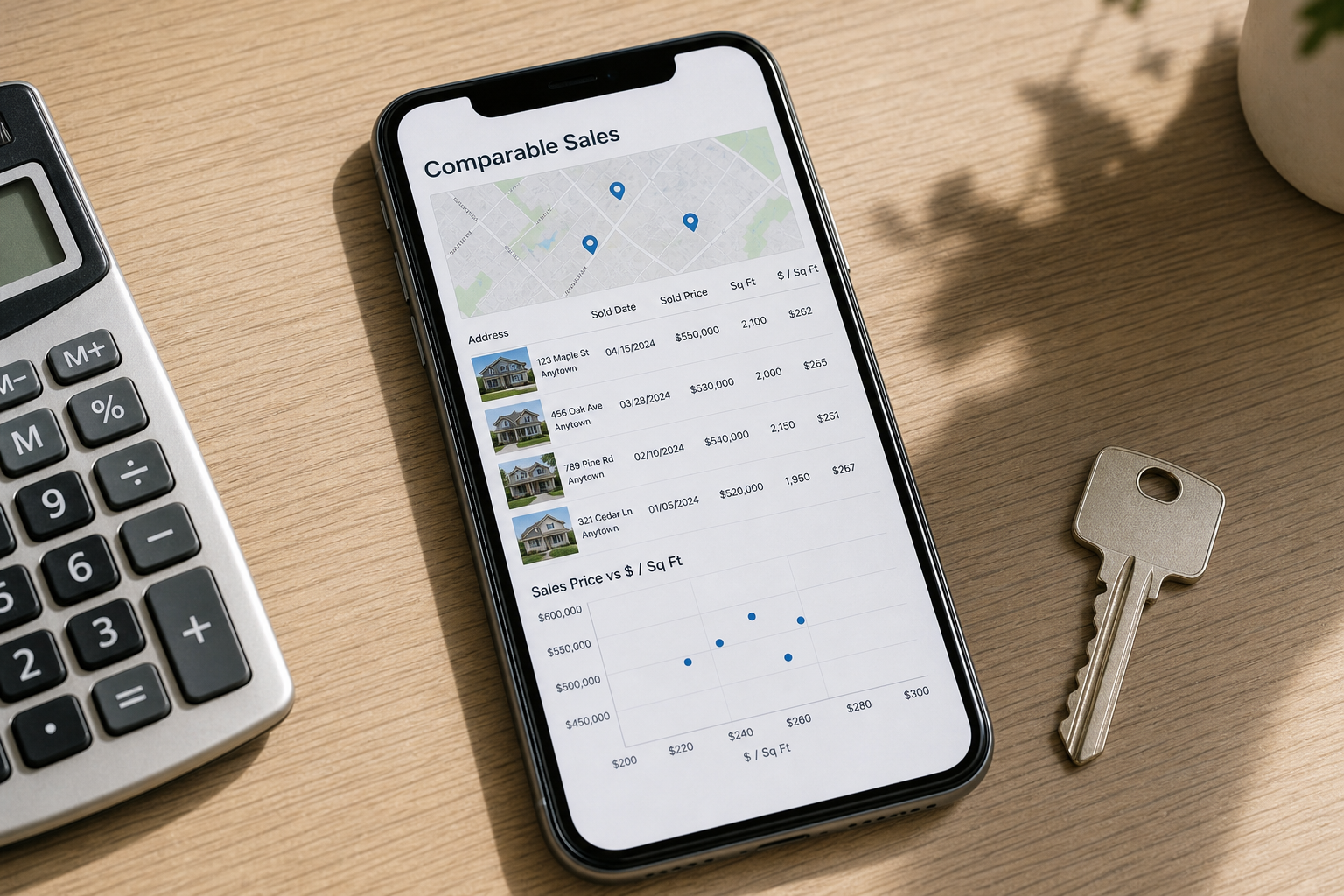
A shareable comp report helps justify the price of a subscription on every deal.
Where ChatARV Fits
ChatARV is an AI deal-analysis platform for wholesalers and investors. Enter an address and, in about 60 seconds, it finds top comparable sales, calculates ARV and as-is value, estimates repairs, and produces offers for wholesale, novation, fix-and-flip, buy-and-hold, and BRRRR. It also supports all 12 non-disclosure states and does not require your own MLS access.
Users can toggle or swap comps, add custom comparables, and update repair scope for instant recalculation. One user, Chris Turney of Fortis Valorem, reported using a recalculated report to renegotiate and land a $35,000 assignment fee. Check current plans on the site, and see how it stacks up in this ranking of wholesaler tools or this look at what software wholesalers use to analyze deals.
For background on the method itself, the Wikipedia entry on comparable sales is a useful primer. Wholesalers should also review state rules through the National Association of Realtors and the Consumer Financial Protection Bureau.
Frequently Asked Questions
What is the cost of real estate comping software?
Most comping tools for investors are sold as monthly subscriptions, and prices vary widely by features, data coverage, and report limits. Always check the vendor's current pricing page, since plans change often.
Is free comping software accurate enough for investing?
Free tools can give a rough estimate, but they often lack sold-comp adjustments, repair estimates, and non-disclosure state data. Investors usually need more detail to set a confident offer.
Why do comping tools charge monthly fees?
Fees cover licensed property data, AI processing, and ongoing updates. Recurring pricing also keeps data fresh as new sales close.
How much does it cost to get comps from an agent instead?
Agents often provide comps for free in hopes of earning a listing, but turnaround can take hours or days. The hidden cost is lost speed and inconsistent quality.
Are there hidden costs in comping software?
Yes. Watch for per-report overages, extra seats, API fees, and paid add-ons for repair estimates or sharing reports.
Does comping software work in non-disclosure states?
Some do and some do not. ChatARV supports all 12 non-disclosure states, so confirm this coverage before you buy any tool.
How long does it take to recover the software cost?
It depends on your deal volume. One extra closed assignment can cover many months of subscription fees.
Should beginners pay for comping software?
Beginners benefit from consistent, explained valuations because they have less experience judging comps by eye. Start with a trial or low tier and upgrade as volume grows.
What features justify a higher price?
Adjustable comps, repair estimates, exit-strategy offers, shareable reports, and broad data coverage add real value. Features you will not use do not.
How do I compare comping tools fairly?
Run the same set of recent addresses through each tool and compare accuracy, speed, and transparency. Then divide total monthly cost by reports run.
Is annual billing cheaper than monthly?
Many software vendors discount annual plans, though terms differ. Start monthly until you trust the tool.
What is the biggest mistake when budgeting for comping software?
Choosing the cheapest plan without counting the cost of a bad valuation. One overpaid deal can cost far more than a year of subscriptions.
Conclusion
The cost of real estate comping software is best measured as cost per report against time saved and mistakes avoided. Count your deal volume, list the features you need, watch for hidden fees, and test tools on real addresses. To see a fast, transparent valuation workflow in action, explore ChatARV.
