
How to Estimate Repair Costs for Wholesale Properties
Learn how to estimate repair costs for wholesale properties with a simple walkthrough process, cost ranges, and tips to protect your MAO. Start now.
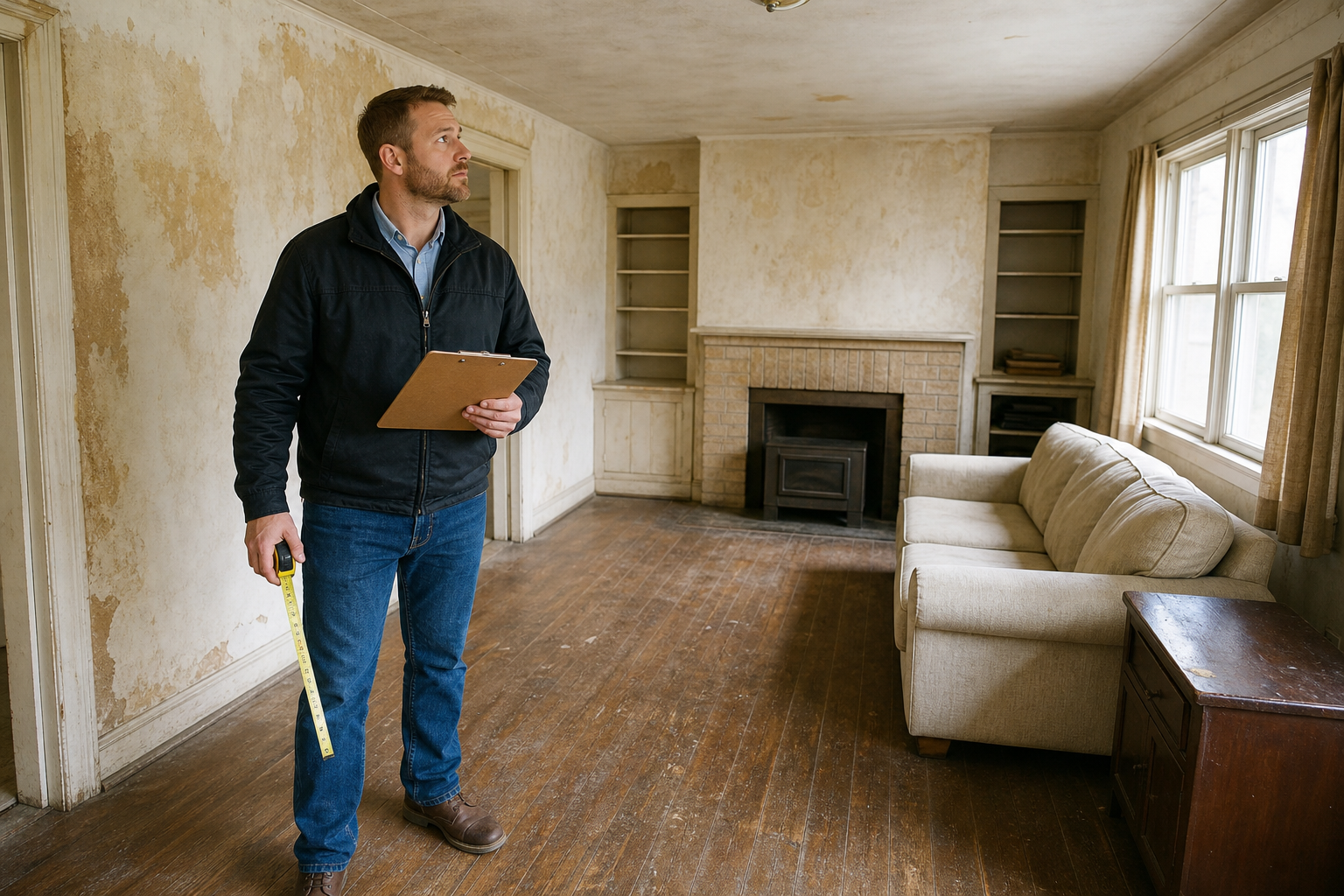
Knowing how to estimate repair costs for wholesale properties is the skill that separates profitable offers from deals that fall apart at the buyer's walkthrough. Repair costs are the estimated dollars needed to bring a distressed home to its finished, market-ready condition. In wholesaling, that number comes straight out of your offer, so accuracy protects both your assignment fee and your reputation with cash buyers.
Quick answer: Walk the property, price the big-ticket items first, add a 10 to 20 percent contingency, and subtract the total from your ARV-based MAO. Use local contractor pricing, not national averages.
A careful walkthrough is the foundation of how to estimate repair costs for wholesale properties.
Why Repair Estimates Make or Break a Wholesale Deal
Repairs sit in the middle of the maximum allowable offer (MAO) formula. A common version is ARV times a target percentage, minus repairs, minus your assignment fee. Therefore, every dollar of underestimated rehab is a dollar your buyer will push back on.
If you guess too high, you lowball the seller and lose the contract. If you guess too low, the buyer walks or demands a discount. As a result, a defensible estimate matters as much as the comps. For a deeper look at the formula, see this wholesale calculator guide for finding MAO.
How to Estimate Repair Costs Step by Step
Follow this process on every lead so your numbers stay consistent.
- Gather property facts. Collect square footage, year built, photos, and seller notes before you visit.
- Inspect the big-ticket items. Check the roof, foundation, HVAC, plumbing, electrical, and any water damage first.
- Price each category. Use a per-square-foot or per-unit cost from local contractor quotes.
- Add a contingency. Include 10 to 20 percent for hidden problems.
- Plug the total into your MAO. Subtract repairs and your fee from the ARV-based price.
What Should You Check First on a Walkthrough?
Start with the items that cost the most to fix. Specifically, look at the roof, foundation, HVAC, sewer line, electrical panel, and signs of water or mold. These can each run into the thousands, so finding them early keeps your estimate honest.
After that, move to cosmetic work: flooring, paint, kitchens, bathrooms, windows, and landscaping. Cosmetic items are easier to price but add up quickly across a whole house.
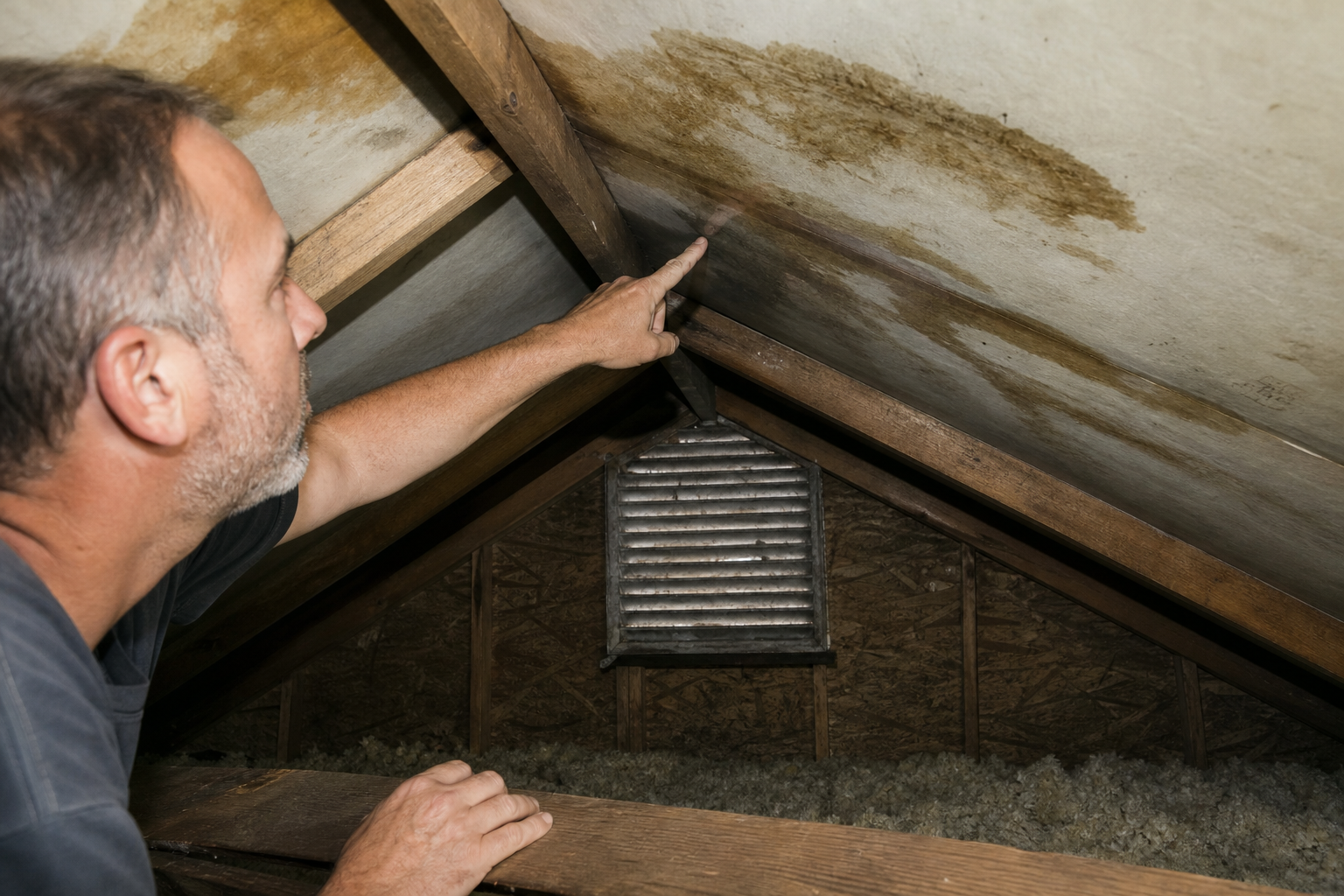
Big-ticket problems like roof leaks should be priced before cosmetic work.
Repair Condition Tiers for a Fast First Pass
When you cannot get inside yet, use condition tiers. Costs differ by market, so treat these as a structure for your own local numbers, not fixed prices.
| Tier | Typical scope | Contingency |
|---|---|---|
| Light cosmetic | Paint, flooring, fixtures, cleanup | 10% |
| Medium rehab | Kitchen, baths, some systems | 15% |
| Heavy rehab | Roof, HVAC, plumbing, electrical | 15–20% |
| Full gut | Down to studs, all systems | 20% |
Getting Reliable Local Pricing
National cost guides rarely match your market. Instead, build relationships with two or three local contractors and save every bid you receive. Over time, your own records become the most accurate price book you have.
The U.S. Department of Housing and Urban Development and the National Association of Home Builders publish housing and construction cost resources that can help you sanity-check your figures.
Using AI to Speed Up Repair Cost Estimates
Manual estimating is accurate but slow. ChatARV is an AI deal-analysis platform for wholesalers and investors. It estimates repairs from a property address, calculates ARV and as-is value, and builds an offer in about 60 seconds.
You can also edit the repair scope and recalculate instantly. One user, Chris Turney of Fortis Valorem, updated a report after finding a property needed a full gut. It recalculated to $88k, and he used the analysis to renegotiate and land a $35,000 assignment fee.
To learn more, read about automated repair cost estimation for investors, this repair cost estimator for flips, or whether an AI can estimate fix-and-flip repairs.
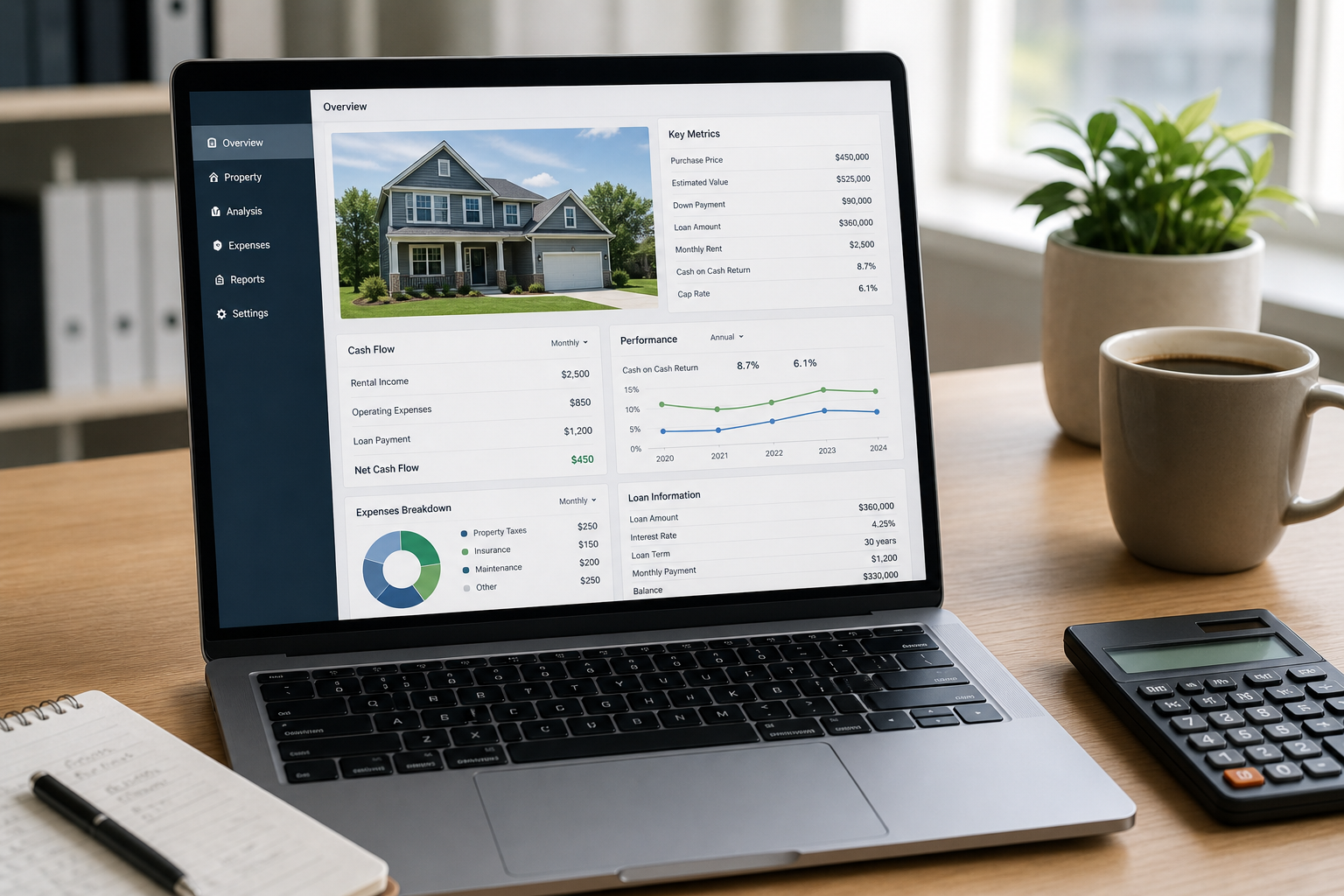
Software can turn a repair scope into an updated offer in moments.
Common Repair Estimating Mistakes
- Skipping the contingency because the house "looks fine."
- Missing foundation, sewer, or electrical problems.
- Using one price per square foot for every property.
- Forgetting permits, dumpsters, and holding costs.
- Not updating the number after the walkthrough.
Frequently Asked Questions
What is the fastest way to estimate repair costs for a wholesale deal?
Use a per-square-foot rate based on the property's condition tier, then adjust for big-ticket items like the roof and HVAC. AI tools can do this in about a minute.
How accurate does a wholesale repair estimate need to be?
It should be close enough that your buyer agrees with it. Aim to stay within about 10 to 15 percent of the final contractor bid.
Why do repair costs matter for wholesalers?
Repairs are subtracted directly in the MAO formula. An error of a few thousand dollars can erase your assignment fee or make the deal unsellable.
What is a good contingency for repair estimates?
Most investors add 10 to 20 percent. Older homes or properties you cannot fully inspect usually deserve the higher end.
Can I estimate repairs without walking the property?
Yes, but with a wider contingency. Photos, video walkthroughs, and seller answers can support a reasonable estimate, though hidden issues are more likely.
How much does a roof replacement typically cost?
Costs vary widely by region, size, and material. Get two or three local quotes instead of relying on a national average.
What repair mistakes cost wholesalers the most?
Missing foundation, plumbing, or electrical problems is the most common and costly error. Skipping the contingency is a close second.
How do repair costs affect ARV?
They do not change ARV, which reflects the finished value. They do reduce the price you can pay, because ARV minus repairs and profit sets your offer.
Should I use a cost per square foot or an itemized list?
Use per-square-foot for a fast first pass and an itemized list when the deal looks promising. Itemizing is more accurate and easier to defend.
How do I get reliable local pricing?
Build relationships with two or three local contractors and keep their past bids on file. Your own records beat generic online price guides.
Can software help me estimate repair costs for wholesale properties?
Yes. ChatARV estimates repairs from an address and lets you edit the scope, then recalculates your offer automatically.
What should I do if the repair scope changes after the walkthrough?
Update the estimate and recalculate your MAO right away. If the new number is lower, use the findings to renegotiate with the seller.
Conclusion
Learning how to estimate repair costs for wholesale properties comes down to a repeatable routine: inspect the expensive items first, price with local data, add a contingency, and feed the total into your MAO. Update the number whenever the scope changes. With a consistent process, and tools like ChatARV to speed it up, you can make confident offers that buyers and sellers both trust.
