
Wholesale Real Estate Deal Workflow: 7 Steps to Close
Learn a wholesale real estate deal workflow from lead to assignment: comps, ARV, repairs, MAO and offers. Follow the steps and close deals faster.

A wholesale real estate deal workflow is the repeatable set of steps that takes you from a seller's first call to a signed contract and a paid assignment fee. A clear workflow keeps your numbers consistent, your offers fast, and your risk low. This guide walks through each stage and shows where most wholesalers lose time or money.
Quick answer: Qualify the lead, pull comps, calculate ARV, estimate repairs, work out your maximum allowable offer (MAO), make the offer, then assign the contract to a cash buyer. Speed and defensible numbers win contracts.
What Is a Wholesale Real Estate Deal Workflow?
It is a defined process you follow on every property, so no step depends on gut feel. Wholesaling means getting a property under contract and then assigning that contract to an end buyer for a fee. As Wikipedia's overview of real estate wholesaling explains, the wholesaler typically never takes title.
A workflow matters because the investor who delivers a confident number first often gets the contract. Slow or inconsistent analysis, however, leads to overpaying or lowballing. Either mistake costs you the deal.
An organized wholesale real estate deal workflow keeps every deal's numbers consistent.
The 7-Step Wholesaling Process From Lead to Close
- Qualify the lead. Confirm motivation, timeline, asking price, and basic condition.
- Pull comparable sales. Choose recent, nearby sold homes similar to the subject.
- Calculate ARV. Adjust each comp, then set a defensible value range.
- Estimate repairs. Price each line item of the scope.
- Calculate your MAO. Subtract repairs, your fee, and the buyer's margin from ARV.
- Make the offer and contract. Explain your math and use proper assignment language.
- Assign to a cash buyer. Share the comp report and close through a title company.
Step 1: Qualify the Seller Before You Run Numbers
Not every lead deserves a full analysis. Ask why they are selling, how soon, and what price they hope for. In addition, ask about condition, occupancy, and any liens.
A motivated seller with a realistic price is worth your time. Otherwise, move on quickly and protect your day.
Steps 2 and 3: Comps and ARV Calculation
After Repair Value (ARV) is the expected sale price once the home is renovated. It rests on comparable sales, or "comps." Good comps are close, recent, and similar in size, bedrooms, bathrooms, lot, and condition.
Then adjust for differences. For example, a comp with a larger lot or extra bedroom should be adjusted down to match your subject. Consistency here is what makes your number defensible to sellers and buyers.
Where Manual Comping Slows You Down
Digging through listings and spreadsheets often takes 20 to 30 minutes per property. Results also vary by who does the work. ChatARV is an AI deal-analysis platform that reviews hundreds of properties, surfaces the top six comps, and applies adjustments in about 60 seconds. It also supports all 12 non-disclosure states, where sale prices are not public.
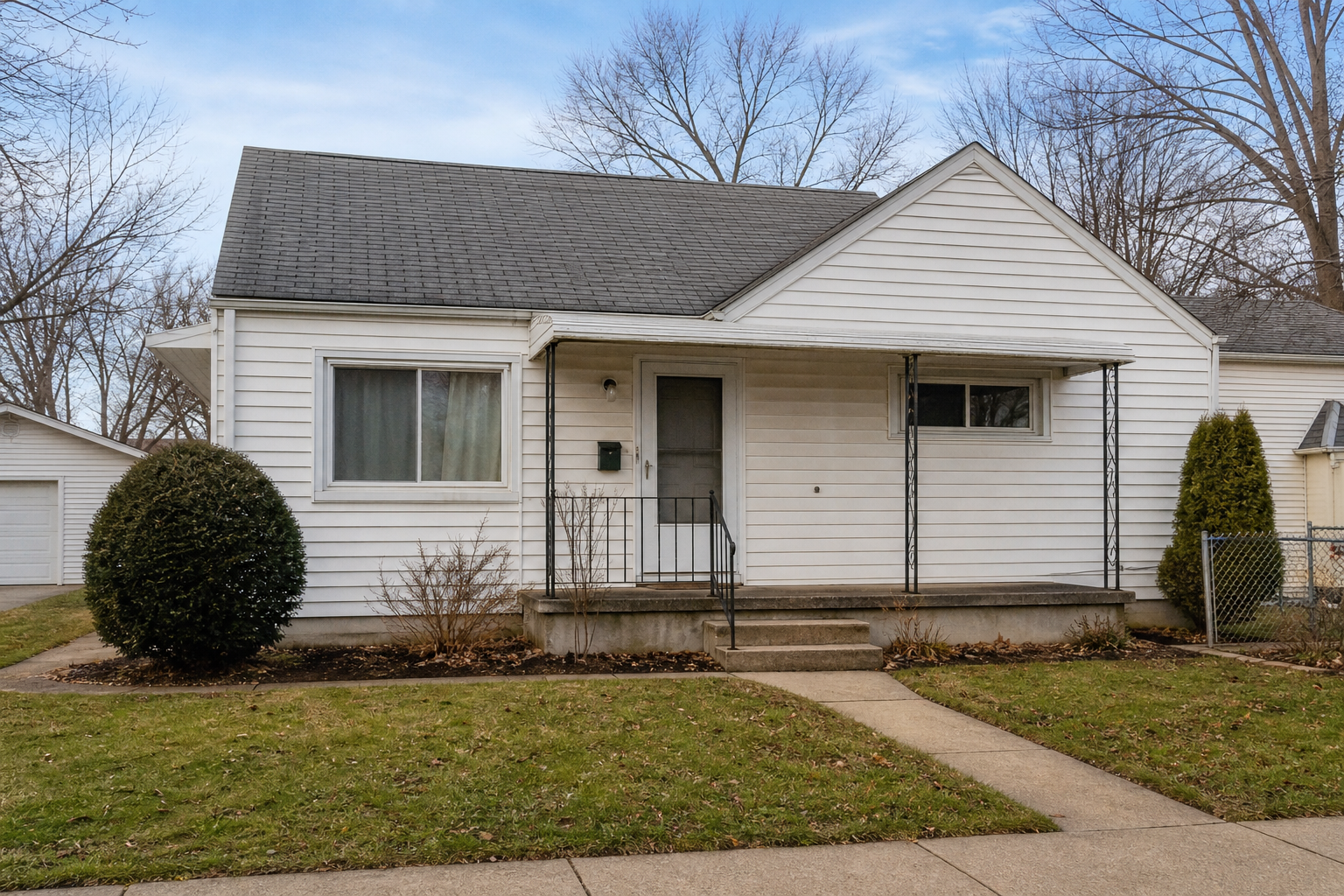
Comparable sales near the subject property anchor the ARV in any wholesale analysis.
Step 4: Estimate Repairs Realistically
Repair costs are where many offers go wrong. Use photos, seller details, and, when possible, a walkthrough. Then price each item: roof, kitchen, baths, flooring, systems, and paint.
Deals also change after the walkthrough. When a property needs a full gut, update the scope and recalculate right away. One ChatARV user, Chris Turney of Fortis Valorem, updated a report after discovering a full gut and used the revised analysis to renegotiate and land a $35,000 assignment fee.
Step 5: Calculate Your Maximum Allowable Offer (MAO)
MAO is the most you can pay and still leave room for your fee and the buyer's profit. A common wholesale formula looks like this:
| Input | What it means |
|---|---|
| ARV x target % | Value after repair, scaled to the buyer's required margin |
| Minus repairs | Estimated renovation cost |
| Minus assignment fee | Your target profit |
| = MAO | The ceiling for your offer |
The target percentage varies by market and buyer, so confirm it with your own buyers list. For a deeper walkthrough, see our guide on how to make offers on wholesale deals.
Steps 6 and 7: Offer, Contract, and Assignment
Present your offer with the reasoning behind it. Show the comps and adjustments, so the seller sees the number is fair. Because a full analysis can take about a minute, many investors give an offer on the same call.
Next, sign a purchase agreement with assignment language. Then send the comp report to your cash buyers and close through a title company. Rules differ by state, so read our breakdown of whether wholesaling real estate is legal before you market a deal.
Beyond Wholesale: Matching the Exit Strategy
Not every property fits an assignment. Some work better as a novation, fix-and-flip, buy-and-hold, or BRRRR. Therefore, run the numbers for each exit before you commit. ChatARV produces offers for all five, so you can pick the strongest path. You can also compare options in our ranked list of tools for real estate wholesalers.
Common Workflow Mistakes to Avoid
- Using stale or distant comps that inflate ARV.
- Guessing repairs instead of building a scope.
- Ignoring what your buyers actually pay.
- Skipping a legal and contract review for your state.
- Calling the seller back too late and losing momentum.
Frequently Asked Questions
What is a wholesale real estate deal workflow?
It is the repeatable sequence of steps a wholesaler follows from lead intake to closing. It covers qualifying the seller, comping, estimating repairs, calculating an offer, contracting, and assigning to a buyer.
How long should a wholesale deal analysis take?
Manual analysis often takes 20 to 30 minutes. Software such as ChatARV can produce comps, ARV, and an offer in about 60 seconds.
What is ARV in wholesaling?
ARV, or After Repair Value, is what a property should sell for once renovated. It is usually based on recent sold comps.
How do you calculate MAO for a wholesale deal?
A common formula is ARV times a buyer's target percentage, minus repair costs, minus your assignment fee. The percentage varies by market and buyer.
How many comps should I use?
Many investors use three to six recent, nearby sold comps. Quality matters more than quantity.
How recent should comps be?
Aim for sales from the last six months and within a close radius when the market allows. Widen the range only when sales are sparse, and adjust accordingly.
How do I comp in non-disclosure states?
Sale prices are not public records there, so you need MLS-sourced data or agent help. ChatARV supports all 12 non-disclosure states without requiring your own MLS access.
Is wholesaling real estate legal?
It is legal in most places, but rules differ by state, including disclosure and licensing requirements. Check your state's laws before marketing or assigning contracts.
What is the difference between assignment and novation?
In an assignment, you transfer your right to buy to an end buyer. In a novation, a new party replaces you in the original contract, often when the property is listed.
What are common mistakes in a wholesale real estate deal workflow?
Common mistakes include weak comps, guessed repair costs, ignoring buyer margins, and skipping contract review. Each can erase your fee or kill the deal.
How do I update numbers after a walkthrough?
Revise the repair scope and recalculate the offer. Tools like ChatARV recalculate instantly when you change repair costs.
Do I need a buyers list before making offers?
It helps a great deal. Knowing what buyers pay and want lets you set an offer you can actually resell.
Conclusion
A strong wholesale real estate deal workflow comes down to seven moves: qualify, comp, value, price repairs, calculate MAO, offer, and assign. Consistent comps and fast, defensible numbers are what separate closed deals from lost ones. To speed up the analysis stage, you can try ChatARV and run your next address in about a minute.
