
After Repair Value Analysis Pricing: What It Costs and Why
After repair value analysis pricing explained: what drives ARV report costs, how to price offers from ARV, and how to run it fast. Read the guide.

After repair value analysis pricing is the process of estimating what a renovated home will sell for, then working backward to the price you can safely pay. Get it right and your margin holds. Get it wrong and you either overpay or lose the deal to a faster buyer.
Quick answer
Offer price equals ARV minus repair costs, holding and closing costs, and your target profit or assignment fee. The quality of your comps decides how reliable that number is.
What Is After Repair Value Analysis Pricing?
After repair value (ARV) is the expected market value of a property once renovations are finished. Pricing from ARV means using that figure to set your maximum purchase price. In addition, the phrase can refer to what you pay to get the analysis done.
Investors rely on it because purchase price drives profit. For background on the concept, see the overview of after repair value on Wikipedia.
An investor checks comps and numbers before setting an offer based on after repair value analysis pricing.
How Much Does ARV Analysis Cost?
The cost depends on the method you choose. None of them is free, because each one spends either time or money.
| Method | Main cost | Typical drawback |
|---|---|---|
| Manual comping | Your time, often 20 to 30 minutes per property | Inconsistent between people |
| Appraiser or broker opinion | Per-report fee | Slow for quick offers |
| Software | Subscription or usage plan | Quality varies by tool |
Fees change often, so confirm current pricing directly with each provider. Slow analysis has a cost too. A seller who waits for a callback may sign with someone else.
How to Price an Offer From ARV
Follow this sequence for every deal. It keeps the math consistent.
- Pull sold comps from the last three to six months that sit close to the subject property.
- Adjust each comp for square footage, bedrooms, bathrooms, lot size, and condition.
- Set the ARV as a range, favoring the closest and most recent sales.
- Estimate repairs and add a contingency for surprises.
- Subtract repairs, holding costs, closing costs, and profit or assignment fee to reach your maximum offer.
The 70% rule as a starting point
Many investors cap their price at 70% of ARV minus repairs. For example, a $300,000 ARV with $40,000 in repairs gives $210,000 minus $40,000, or $170,000. However, treat it as a rule of thumb. Your market, financing, and exit strategy may call for a different percentage.
Why Repair Costs Move the Price
Repairs come straight off your offer. Consequently, a weak repair estimate can erase your profit even when the ARV is perfect. Scope changes after a walkthrough matter most.
For deeper detail, read this guide to a repair cost estimator for flips. You can also learn about automated repair cost estimation and whether an AI can estimate fix-and-flip repairs.
Common Mistakes in ARV Pricing
- Using comps that were not renovated to the same standard.
- Relying on stale sales in a fast-moving market.
- Crossing barriers such as highways or school boundaries.
- Skipping adjustments for size and condition.
- Underestimating repairs and holding time.
For a longer walkthrough of the math, see this step-by-step ARV calculation guide.
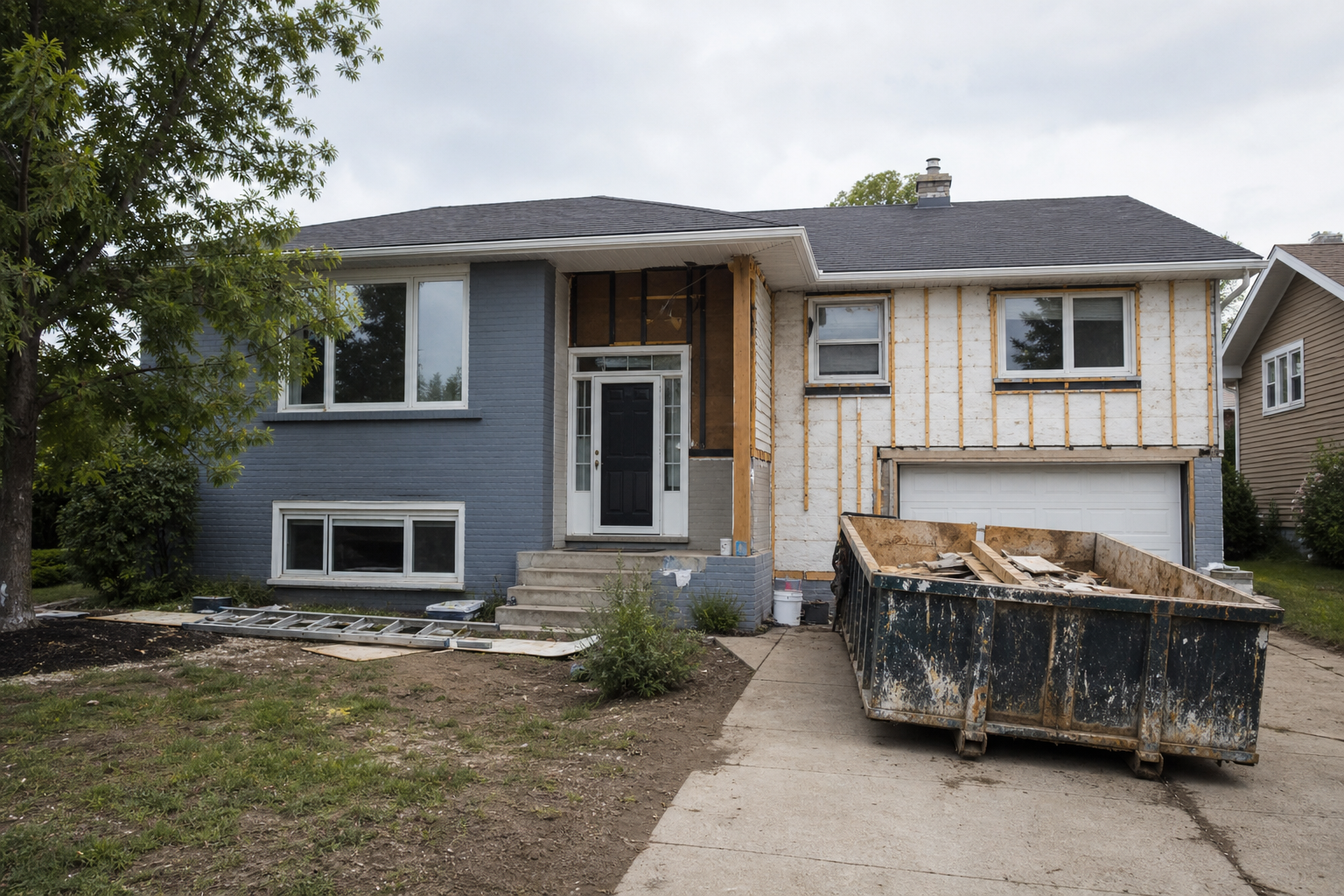
Repair scope directly changes the price an investor can pay for a renovation project.
Running ARV Analysis Faster With ChatARV
ChatARV is an AI deal-analysis platform for wholesalers and investors. Enter an address and, in about 60 seconds, it selects the top six comps from hundreds of properties and adjusts them for size, rooms, lot, and condition. It then returns ARV, as-is value, estimated repairs, and offers for wholesale, novation, fix-and-flip, buy-and-hold, and BRRRR.
Reports show every comp and adjustment, so you can defend the number to sellers and buyers. You can also toggle or swap comps, add your own, and update the repair scope to recalculate instantly. Coverage includes all 12 non-disclosure states, and you do not need your own MLS access. One user, Chris Turney of Fortis Valorem, updated a full-gut scope, saw the figures recalculate to $88k, and used it to land a $35,000 assignment fee.
Frequently Asked Questions
What is after repair value analysis pricing?
It is the process of estimating a property's after repair value (ARV) and turning that figure into a purchase or offer price. It also covers what you pay for the analysis itself, whether by hand, through an appraiser, or with software.
How do you calculate ARV?
Find recent sold comparable properties nearby, adjust them for size, bedrooms, bathrooms, lot size, and condition, then average the adjusted prices. The result estimates what the home would sell for after repairs.
How much does an ARV analysis cost?
Costs vary by method. Manual comping costs your time, appraisals and broker opinions usually carry a fee, and software is typically subscription based. Check current pricing with each provider.
How do I price an offer from ARV?
Start with ARV, subtract repair costs, holding and closing costs, and your target profit. For wholesaling, also subtract your assignment fee to reach the maximum allowable offer.
What is the 70% rule?
The 70% rule says an investor should pay no more than 70% of ARV minus repair costs. It is a rule of thumb, so adjust it for your market and margins.
How many comps should I use?
Most investors use three to six close, recent sold comps. More is fine if they are truly similar in condition and location.
How recent should comps be?
Prefer sales from the last three to six months. Older sales can mislead in fast-moving markets.
What is the difference between ARV and as-is value?
ARV is the value after renovation. As-is value is what the property is worth in its current condition.
How do repair costs change the price?
Every dollar of added repair scope lowers the price you can pay by about the same amount, plus related holding costs. A full gut can swing an offer by tens of thousands of dollars.
Can I run ARV analysis in non-disclosure states?
Yes, but sale prices are not public there, so you need a data source that covers them. ChatARV supports all 12 non-disclosure states.
What are common ARV mistakes?
Common errors include using unrenovated comps, stale sales, comps across barriers like highways, and skipping adjustments. Overly optimistic repair budgets also distort the final price.
How fast can ARV analysis be done?
Manual comping often takes 20 to 30 minutes per property. ChatARV completes an analysis in about 60 seconds.
Conclusion
Strong after repair value analysis pricing rests on three things: close, recent, well-adjusted comps; a realistic repair budget; and a clear formula that subtracts costs and profit from ARV. Speed matters as well, because the investor who delivers a confident number first often wins the contract. Visit chatarv.ai to run an analysis and see the full offer breakdown.
